

Our Fulvic Mineral Complex combines Fulvic acid with a natural Silica, sometimes called zeolite, or clinoptilolite. This combination supports gut health by binding and flushing toxins, enhancing nutrient absorption, and feeding beneficial microbes.
This extensive review documents how natural clinoptilolite supports detoxification through its adsorption and ion‑exchange capacity, assists in antioxidant activity, and promotes immune response (e.g., enhanced IgA production in gut-associated lymphoid tissue). It emphasizes safety and in vivo use in humans and animals. link
Research shows micronized clinoptilolite improves intestinal barrier integrity, reduces ammonia levels, supplies trace minerals used by antioxidant enzymes, and engages intestinal immune cells—supporting gut health, antioxidant protection, and immune modulation. link
Supports modulation of the immune systemThis minireview highlights that both traditional medicine and modern research associate fulvic acid with immunomodulatory properties—suggesting a role in balancing immune function in the context of chronic inflammation Supports oxidative balance at the cellular level The review notes that fulvic acid may help regulate the oxidative state of cells, potentially contributing to the body’s ability to manage oxidative stress—a key factor in long-term metabolic health. Supports gastrointestinal function Fulvic acid is reported to influence gut health, with claims supported by preliminary research pointing to improved digestive function and gut environment integrity. Derived from natural microbial processes Fulvic acid is a naturally occurring compound produced by soil microbes, aligning with traditional use and contemporary interest in nature-derived health products. link

More than IV drips of NAD+, more than NMN, or NR, and it's not even a close race. Nicotinic Acid raises intracellular NAD+ up to 800%, more than any other tested precursor, supporting mitochondrial function, energy metabolism, DNA repair, and cellular resilience.
In a clinical study of patients with adult-onset mitochondrial myopathy, nicotinic acid supplementation (750–1,000 mg/day) restored blood and muscle NAD+ levels up to 8-fold (8X), improved mitochondrial function, and enhanced physical performance. This study highlights niacin's role in restoring systemic NAD+ and improving energy metabolism. Pirinen et al., Cell Metabolism (2020)
NAD+ is central to cellular energy and repair, and multiple vitamin B3 derivatives can raise its levels. Among these, nicotinic acid (niacin) remains the most clinically validated precursor, with decades of human trials demonstrating reliable NAD+ elevation and cardiovascular benefits. Other forms such as nicotinamide, NR, and NMN show promise, but human evidence is more limited. Cell Communication and Signaling (2024)
Elevated NAD+ levels from nicotinic acid activate sirtuins (SIRT1, SIRT3) and PARP enzymes — key regulators of DNA repair, cellular stress response, and metabolic homeostasis — contributing to improved healthspan and reduced markers of cellular aging. link

By regulating iron-dependent free radical production, inositol hexaphosphate (IP6) functions as a potent antioxidant with the ability to counteract numerous pathogenic processes. IP6 has demonstrated effectiveness in modulating pathological calcification.
Comprehensive review of IP6’s roles in antioxidant activity, enhancement of natural killer cell function, modulation of inflammatory signaling (e.g., NF‑κB), and support of enzyme activity and metabolic health link
In mice, dietary IP6 improved baseline NK cytotoxicity and reversed suppressed NK activity caused by a colon carcinogen—demonstrating dose-dependent enhancement of NK function. In vitro, IP6 and inositol together boosted NK cell-mediated cytotoxicity. link
Review presenting IP6 + inositol as natural antioxidants that enhance immune function, support mineral balance, and promote cellular health in preclinical and preliminary human studies link

Ginger root has been used medicinally for thousands of years and contains potent bioactive compounds including gingerols and shogaols. It reduces GI inflammation, accelerates gastric emptying, supports gut motility, and inhibits nausea pathways along the gut-brain axis.
An umbrella review of randomized clinical trials revealed that ginger is a safe, natural remedy shown to provide important health benefits reducing osteoarthritis pain, helping with blood sugar control, easing nausea in pregnancy, while also showing promise for menstrual pain, metabolic health, and digestive issues. Optimal benefits are generally seen with daily doses of 0.5–3 g in capsule form for up to three months.. link
In a human crossover study (123 adults), ginger juice intake increased gut microbial diversity, lowered pro-inflammatory genera (e.g., Ruminococcus), and tended to elevate beneficial Faecalibacterium—supporting balanced microbiome structure. link
A systematic review of clinical trials found consistent evidence that ginger supports improvements in dyspepsia symptoms, nausea, bloating, and overall digestive comfort, and may regulate gut motility in digestive function. link

Arginine is the raw material that nitric oxide synthase (NOS) uses to make nitric oxide (NO), which supports blood flow and vascular health. Niacin boosts the production of NOS, increasing the “machinery” that converts arginine into NO. Together, more substrate (arginine) and more enzyme (from niacin) drive higher nitric oxide levels, enhancing circulation, energy metabolism, and cardiovascular function.
L‑Arginine plays a critical role in restoring cerebrovascular balance and supporting mitochondrial health in individuals with impaired energy metabolism. In a prospective pilot study involving patients with mitochondrial myopathy (MELAS), L‑arginine supplementation (both single dose and daily for 6 weeks) led to measurable improvements in brain function and vascular signaling link
L‑Arginine serves as the substrate for arginine:glycine amidinotransferase (AGAT), the enzyme that initiates creatine synthesis. Creatine and its phosphorylated form (PCr) act as fast ATP buffers in muscle and nerve tissues—supporting rapid energy availability during high demand. link
This is the first meta-analysis that evaluates the effect of LAS on VO2 max in healthy human subjects. The results of 11 randomized clinical trials indicated that L-arginine Supplementation (LAS) increased VO2 max compared to the control group. This meta-analysis indicated that L-Arginine Supplementation had a positive effect on increasing VO2 max. link

MCTs are quickly absorbed and converted into ketones, which provide clean, efficient fuel for the brain, heart, and muscles. This fast energy source produces less oxidative stress than glucose, while also supporting gut barrier integrity and offering mild antimicrobial benefits that help maintain a balanced microbiome.
In preclinical research, dietary MCT oil upregulated key markers such as PGC‑1α, TFAM, and ATP synthase in skeletal muscle—enhancing mitochondrial mass and oxidative metabolism via Akt and AMPK pathways. This supports improved energy production and cellular resilience. link
In a piglet model of intrauterine growth retardation, MCT-enhanced diets increased mitochondrial DNA content, citrate synthase activity, and expression of PPAR-γ coactivator‑1α, supporting hepatic energy metabolism and mitochondrial biogenesis. link
In both RAW 264.7 macrophages and diet-fed mice, MCT oil elevated mitochondrial oxygen consumption rates and ATP production, while promoting M2-like anti-inflammatory macrophage polarization—indicating enhanced immune cell energetics and function. link

Vitamin D3 (cholecalciferol) operates as a steroid hormone with receptors in virtually every cell type. Beyond calcium metabolism, D3 directly regulates mitochondrial gene expression, upregulates the rate-limiting enzyme in the NAD+ biosynthesis pathway, and works synergistically with NAD+ in cellular repair and energy metabolism.
A randomized controlled trial showed that oral vitamin D₃ supplementation in deficient adults led to significant and favorable shifts in the gut microbiota: increased microbial diversity, increased Bacteroidetes to Firmicutes ratio, and higher levels of health‑promoting genera like Akkermansia and Bifidobacterium link
This comprehensive review describes how vitamin D and its receptor (VDR) help regulate intestinal epithelial tight junction proteins, promote antimicrobial peptide expression, and maintain mucosal barrier homeostasis—supporting digestive integrity and gut immune defense link
A detailed overview on the gut–vitamin D axis highlights how vitamin D modulates gut microbiota diversity, preserves intestinal homeostasis, and regulates immune cell activity in the gut–immune interface—supporting digestive health and systemic resilience link

Supports immune function by inhibiting viral replication and balancing arginine levels. Lysine is also critical for collagen synthesis and gut lining repair. L-Lysine cannot be produced in the body on its own. It plays a key role in protein synthesis, muscle development, and tissue repair, while also supporting immune function and healthy collagen formation. Because of its broad importance in human nutrition,
L-Lysine, an essential amino acid the body cannot produce, supports protein synthesis, muscle repair, immune health, and collagen formation, making its inclusion in supplements both scientifically justified and nutritionally essential. link
Demonstrated ~2.4× fewer HSV outbreaks, reduced symptom severity, and shortened healing time in the lysine group versus placebo—highlighting its role in recurring cold sore prophylaxis. link
Observational study where patients taking 500 mg daily experienced a 63% reduction in lesion incidence and 49% shorter healing time after one year of supplementation link

Ascorbic Acid is among the most clinically studied water-soluble antioxidants. It is essential for immune cell production and function, collagen synthesis, and acts as a critical electron donor for enzymatic reactions throughout the immune cascade, wound healing, and connective tissue repair.
A comprehensive review details how vitamin C contributes to immune defense by supporting functions of both the innate and adaptive immune system—enhancing phagocytosis, lymphocyte proliferation, and antibody activity. link
In vitro studies in older adults show that vitamin C supplementation significantly improved T‑lymphocyte proliferation, regulated cytokine secretion (e.g. IL‑2, IL‑4), replenished glutathione levels, and reduced oxidative stress in immune cells. link
Research combining vitamin C and NADH demonstrated synergistic effects on T‑cell function: vitamin C plus NADH improved T‑cell proliferation and redox status, indicating interplay between vitamin C and NAD⁺/NADH metabolic cycling in immune cells. link
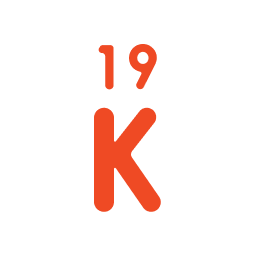
Potassium is the primary intracellular cation, essential for maintaining electrochemical gradients across cell membranes. It plays a critical role in gut smooth muscle contraction, intestinal motility, fluid balance in the GI tract, and the regulation of digestive enzyme secretion.
Research illustrates that potassium ions contribute directly to mitochondrial ATP synthase function, with K⁺ influx through FoF₁ ATP synthase aiding oxidative phosphorylation and ATP generation. This highlights potassium’s structural role in cellular energy production. link
Studies identify that intracellular K⁺ fluctuations occur in phase with NADH and ATP oscillations, linking potassium dynamics to redox cycling and mitochondrial energy homeostasis. This supports metabolic coordination at the NAD⁺/ATP interface. link
Research reveals ATP-sensitive potassium channels (Kᵥ-ATP) in the inner mitochondrial membrane respond to ATP/ADP levels to regulate mitochondrial membrane potential, optimizing ATP synthesis and preventing energy depletion. link

Beetroot is exceptionally rich in dietary nitrates, betalain pigments, and betaine. These compounds support gut microbiome diversity, reduce intestinal inflammation, enhance the gut-liver axis, and provide substrate for nitric oxide (NO) synthesis — improving blood flow to the gut and beyond.
In cultured myocytes, beetroot treatment increased AMPK and PGC‑1α expression—markers of mitochondrial biogenesis—leading to heightened mitochondrial content and enhanced oxidative metabolism, supporting improved cellular energy production. link
Human and in vitro studies show that nitric oxide produced from beetroot nitrate improves mitochondrial coupling efficiency—i.e., a greater proportion of oxygen consumption is directed to ATP synthesis—with lower proton leak and enhanced ATP yield per oxygen molecule. link
Clinical trials of beetroot juice supplementation demonstrated faster phosphocreatine (PCr) resynthesis during intermittent intense exercise, aiding ATP recovery and supporting high-energy demands in repeated effort scenarios. link

Tart cherry (Prunus cerasus) is extraordinarily rich in anthocyanins, quercetin, and melatonin precursors. These compounds provide powerful anti-inflammatory and antioxidant protection, reduce exercise-induced muscle damage, support natural sleep cycles, and modulate uric acid metabolism.
A clinical study of cherry extract consumption following intense resistance exercise showed lower oxidative stress markers, preserved handgrip strength, and evidence of enhanced cellular energy maintenance—demonstrating support for ATP-related recovery and muscle mitochondrial resilience link
A study on recreational marathon runners found that tart cherry juice helped speed recovery after strenuous exercise by reducing inflammation, oxidative stress, and muscle damage. Participants who consumed cherry juice showed faster recovery of strength, lower markers of inflammation (IL-6, CRP, uric acid), higher total antioxidant status, and reduced lipid peroxidation compared to placebo. These results suggest tart cherry juice is an effective, natural aid for supporting muscle function and recovery after intense physical activity link
In a placebo-controlled crossover study, tart cherry juice significantly reduced muscle strength loss and pain following eccentric exercise in college students. Participants who consumed the juice experienced only a 4% average strength loss compared to 22% with placebo, along with less post-exercise soreness. These findings highlight tart cherry juice as an effective natural option for reducing symptoms of exercise-induced muscle damage and supporting faster recovery. link

Magnesium is a cofactor in over 300 enzymatic reactions and is absolutely required for ATP synthesis — every molecule of ATP must be bound to magnesium to be biologically active. It is essential for NAD+ metabolism, DNA repair, mitochondrial function, and protein synthesis.
Magnesium malate stands out as one of the most bioavailable forms of magnesium. In the Uysal et al., 2019 study, it showed the highest area under the curve (AUC) of all compounds tested, indicating superior absorption and sustained blood levels—remaining significantly elevated even eight hours after dosing. This combination of rapid uptake and long-lasting serum presence suggests excellent systemic availability. Clinically, magnesium malate has also been linked to improvements in fibromyalgia symptoms, supporting its role in muscle energy metabolism and overall cellular resilience link
Magnesium plays a direct role in the NAD⁺ pathway by enabling NAD⁺ binding to the mitochondrial enzyme thylenetetrahydrofolate dehydrogenase-cyclohydrolase, which is essential for one-carbon metabolism, purine synthesis, and DNA/RNA production. The enzyme has an absolute requirement for magnesium and phosphate, as magnesium stabilizes NAD⁺ in the active site and allows efficient electron transfer. By making NAD⁺ binding possible in a site normally specific for NADP⁺, magnesium supports mitochondrial folate metabolism and nucleotide synthesis critical for energy, repair, and cellular growth. link
Magnesium is a cornerstone mineral for human health, essential for DNA repair, energy metabolism, and enzyme activity across nearly every cell process. It supports insulin receptor function and glucose control, strengthens bone through hydroxyapatite formation, and regulates neuronal excitability linked to mood, memory, and Parkinson’s risk. Clinically, magnesium supplementation improves cardiovascular outcomes, reduces inflammation, and enhances immune balance. Deficiency, by contrast, contributes to diabetes, brittle bones, neurological decline, and heart disease, underscoring its vital role in maintaining metabolic, structural, and cellular health link

A bioflavonoid found in citrus, hesperidin has antioxidant, anti-inflammatory, and antimicrobial effects. It strengthens capillary health, modulates immunity, and supports gut microcirculation.
A recent narrative review details hesperidin’s anti-inflammatory and antioxidant effects, including downregulation of pro‑inflammatory cytokines (e.g. TNF‑α, IL‑6), NF‑κB inhibition, and support for innate and adaptive immune balance link
A randomized clinical trial in middle-aged adults showed that 2‑month supplementation containing AM3, spermidine, and hesperidin (50 mg) significantly improved neutrophil and lymphocyte chemotaxis, neutrophil phagocytosis, and lymphoproliferation—effectively lowering biological age by ~11 years. This highlights support for immune function and reduction of age‑related immune decline link
In a controlled animal study, mice treated orally with hesperidin exhibited decreased nitric oxide, IL‑12, IL‑10, and TNF‑α secretion in LPS-stimulated macrophages—indicating modulation of the innate immune response and inflammatory signaling link

Zinc is an essential trace mineral functioning as a structural component and catalytic cofactor in over 300 enzymes. It is critical for immune cell development, thymic function, T-cell activation, wound healing, and serves as a direct antiviral agent by inhibiting viral RNA polymerase.
Zinc is an essential trace element critical for human growth, development, and cognitive function. Zinc supplements help correct deficiencies by restoring healthy levels in the body. This review outlines zinc’s biological roles, the effects of varying zinc levels, compares supplement forms, and highlights recent applications in food, medicine, and animal health. link
Short-term zinc supplementation in healthy young adults significantly enhanced NK cell cytotoxic function—boosting granzyme B and IFN-γ production—demonstrating direct benefits for early immune responsiveness. link
Meta-analysis shows zinc supplementation lowers pro‑inflammatory markers (e.g., TNF‑α, IL‑6, CRP) while increasing CD3⁺/CD4⁺ T‑cell levels, indicating improved immune balance and reduced inflammatory stress. link

This combination enhances calcium metabolism while preventing vascular calcification. Together, they support bone health, immune resilience, and reduce inflammation that contributes to leaky gut and autoimmunity.
Supplementation with Vitamin D₃ and K₂ in a clinical study was associated with decreases in inflammatory markers and stabilization of immune responses in participants reporting long‑COVID symptoms—highlighting synergistic support for immune homeostasis. link
A comprehensive review found Vitamin K₂ modulates immune cell activity by influencing T-cell proliferation and suppressing pro-inflammatory cytokines like IL‑6 and TNF‑α via activation of vitamin K‑dependent proteins (e.g., GAS6, Protein S), supporting coordinated immune responses. link
Analysis of Vitamin D₃ and K₂ synergy suggests enhanced regulation of immune pathways—where D₃ supports antimicrobial peptide expression and K₂ contributes to inflammatory balance—indicating combined immune support greater than either nutrient alone. link

Chromium (as chromium picolinate) is an essential trace mineral that potentiates insulin signaling through the chromodulin pathway, improving glucose uptake and cellular energy utilization. It works synergistically with NAD+ metabolism by supporting mitochondrial substrate availability and reducing metabolic stress.
Chromium(III) binds to the β‑subunit of mitochondrial ATP synthase, reducing its activity, which in turn activates AMPK signaling—this supports enhanced glucose metabolism and improved mitochondrial resilience, highlighting chromium’s role in energy regulation and ATP-related pathways link
Recent reviews show that chromium(III) binding to ATP synthase leads to its inhibition, which in turn activates AMPK—a central regulator of cellular energy homeostasis—promoting metabolic efficiency and mitochondrial energy resilience. link
Chromium polynicotinate (NBC) is one of the most effective and safe forms of chromium, particularly important since chromium levels decline with age and deficiency is linked to insulin resistance and type 2 diabetes. Studies show NBC improves insulin sensitivity, significantly lowers systolic blood pressure, and reduces oxidative stress by limiting free radical formation and DNA damage in the liver and kidneys—all without noted toxicity—making it a strong choice for supporting metabolic and cardiovascular health link
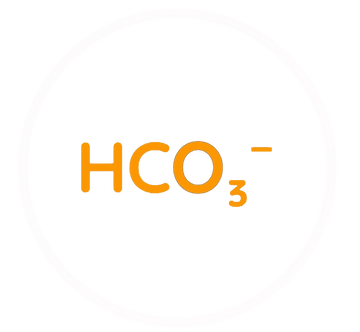
Bicarbonate (HCO₃⁻) is the body's primary pH buffer, essential for maintaining the slightly alkaline environment required for optimal immune cell function and enzyme activity. Bicarbonate supplementation supports the anti-inflammatory mesothelial-immune axis, reduces metabolic acidosis, and improves exercise recovery.
A human study investigated the effects of alkaline bicarbonate-rich water (pH ~7.58) compared to neutral water on gut microbiota composition. The bicarbonate treatment demonstrated greater buffering capacity in the stomach, which preserved gastric pH and was associated with shifts in microbial families—improving gut microbial stability. link
Research demonstrates that elevated bicarbonate concentrations and a moderately alkaline environment promote NET formation in neutrophils—supporting early immune defense and pathogen immobilization via innate immune mechanisms. link
In animal models exposed to oxidative stress, administration of bicarbonate activated soluble adenylyl cyclase (sAC), leading to downstream cAMP → PKA signaling, preservation of mitochondrial structure, increases in PGC‑1α and TFAM expression, and enhanced ATP-linked respiration—demonstrating support for mitochondrial integrity, energy production, and cellular resilience. link
